

TEETH WHITENING
Professional whitening treatments designed to brighten your smile safely and effectively.
SERVICES WE OFFER
WHAT IS BONE GRAFTING?
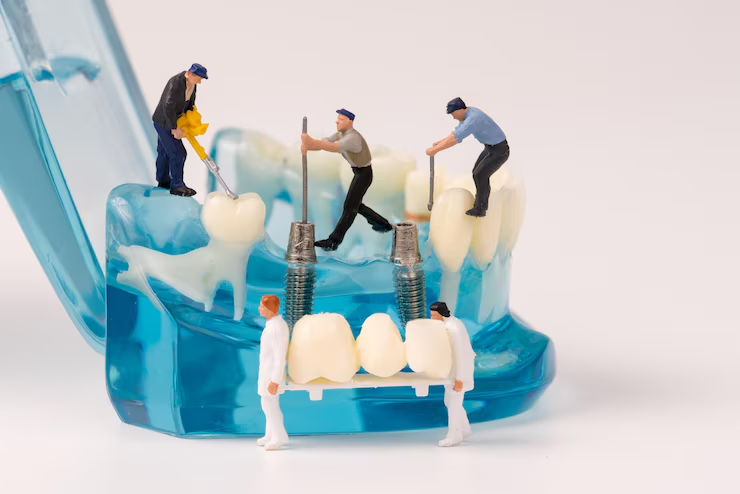
Bone grafting is a surgical procedure that replaces missing or weakened bone in the jaw with new bone material—either from your body, a donor source, or a biocompatible synthetic material. This new material stimulates natural bone regeneration, making it possible to support dental implants or improve overall oral health.
Bone loss can occur due to tooth loss, periodontal disease, infection, or trauma. Without adequate bone structure, dental implants may not be an option. Bone grafting restores volume and strength to the jawbone, opening the door to a fuller, healthier smile.
WHO NEEDS BONE GRAFTING?
WHY CHOOSE LAKE MAGDALENE DENTAL?
At Lake Magdalene Dental, we are committed to providing personalized, compassionate care in a comfortable and modern environment. Here’s why patients in Lake Magdalene, Tampa, FL trust us for their bone grafting procedures:
- Experienced Providers
Our skilled dental professionals are trained in surgical procedures and implant preparation.
- State-of-the-Art Technology
We use advanced digital imaging and guided surgery tools for precision and safety.
- Patient-Centered Approach
We take time to explain your options and ensure you feel confident at every step.
- Comfort-Focused Care
Sedation options are available to keep you relaxed throughout your treatment.
- Convenient Lake Magdalene Location
Our friendly office is centrally located to serve families throughout the area.
BENEFITS OF BONE GRAFTING

Strengthens Jawbone Structure
Improves jaw stability and supports implants by restoring lost or weakened bone tissue.
Supports Dental Implants
Provides a solid foundation for long-lasting dental implants to function like natural teeth.
Prevents Bone Loss
Helps maintain facial shape and density by preventing further bone deterioration or resorption.


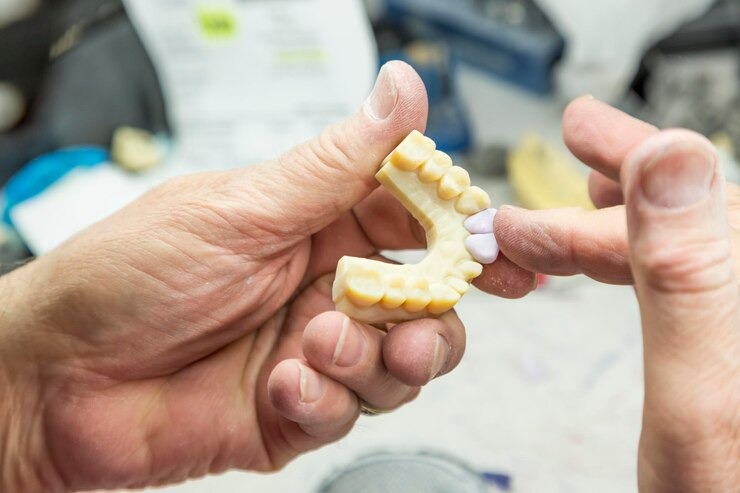
Improves Oral Health
Restores healthy bone levels, reducing risk of infection and supporting
Enhances Aesthetic Appearance
Restores facial symmetry and fullness by rebuilding bone in sunken or deficient areas.
Facilitates Tooth Replacement
Creates adequate bone volume necessary for bridges, dentures, or implants after tooth loss.
WHAT TO EXPECT
Before the Procedure
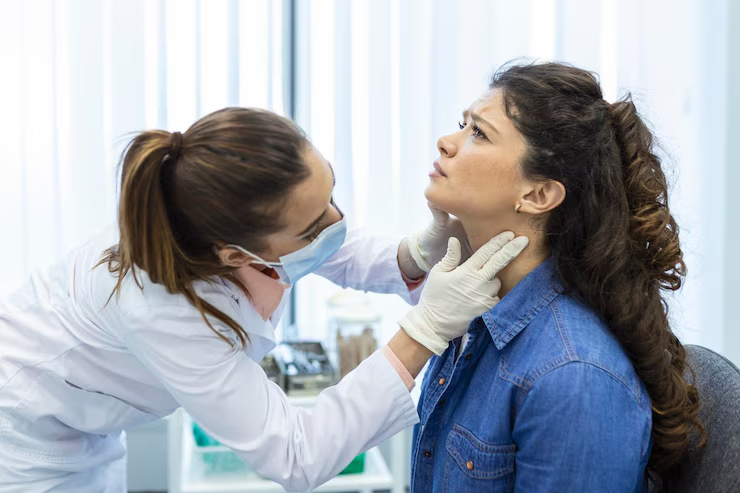
Your dentist will conduct a thorough evaluation, including X-rays or 3D imaging, to assess the level of bone loss and plan your graft. We’ll review your medical history and determine the best grafting material for your needs.
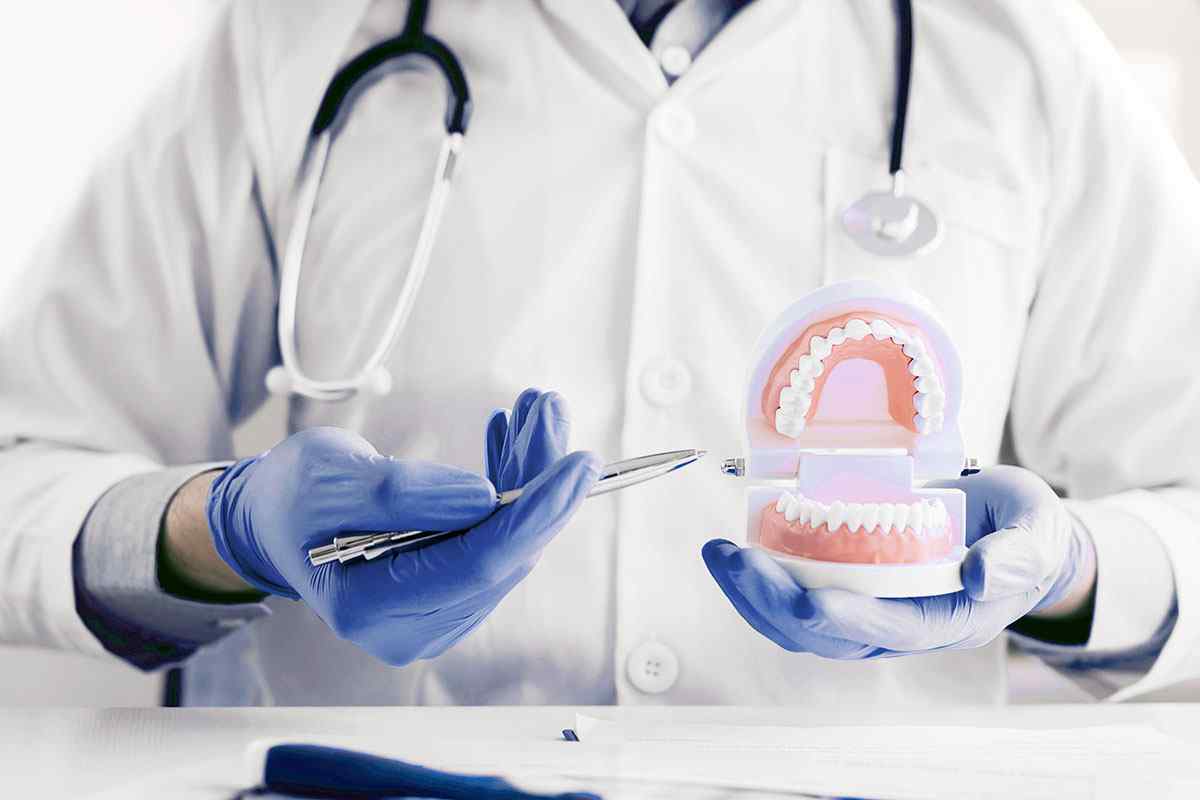
During the Procedure
Bone grafting is typically done under local anesthesia, with sedation options available. The grafting material is placed into the targeted area, and the site is closed with sutures. The procedure usually takes less than an hour, depending on the size of the graft.

Healing and Recovery
Initial healing takes a few days, but the bone integration process (called osseointegration) can take several months. During this time, the new bone fuses with your natural bone, creating a solid foundation for implants or other restorations.
FREQUENTLY ASKED QUESTIONS
How painful is a bone grafting procedure?
Most patients report only mild discomfort, similar to what you might experience with a tooth extraction. We use local anesthesia to numb the treatment area during the procedure, and sedation options are available if you feel anxious or want to be more relaxed. After the procedure, some soreness is normal, but it's typically manageable with over-the-counter pain relief. We'll provide detailed aftercare instructions to help ensure a smooth recovery.
How long does it take to heal after a bone graft?
Initial healing of the surgical site takes about 1–2 weeks. However, the complete bone integration process (called osseointegration) can take 3–6 months or longer, depending on the size of the graft and your individual healing rate. During this time, the grafted material fuses with your natural bone to create a solid foundation. Your dentist will advise you on the appropriate timeline before moving forward with dental implants or other restorations.
Is bone grafting always necessary before getting dental implants?
Not always. Some patients have enough healthy, dense bone to support dental implants without grafting. Whether you need bone grafting depends on factors like: The location of the missing tooth How long the tooth has been missing Your bone density and volume History of gum disease or trauma During your consultation, we'll use X-rays or 3D imaging to assess your bone health and determine whether grafting is needed for successful implant placement.
What are the risks of bone grafting?
Bone grafting is generally a safe and predictable procedure with a high success rate. As with any surgery, there are minimal risks, which may include: Infection (rare with proper care) Graft rejection or failure to integrate (uncommon) Swelling or temporary discomfort Nerve injury (very rare) At Lake Magdalene Dental, we take every precaution to minimize risks, including thorough evaluation, sterile technique, and detailed post-operative instructions. We'll discuss your specific risk factors during your consultation.
What types of bone graft materials are used?
We use several types of bone graft materials, and the choice depends on your case, preferences, and treatment goals: Autografts: Bone taken from your own body (often from another area of the jaw). This has the highest success rate but requires a second surgical site. Allografts: Donated human bone tissue that has been processed and sterilized. No second site needed. Xenografts: Bone material derived from animal sources (typically bovine). Biocompatible and effective. Synthetic materials: Lab-created bone substitutes designed to stimulate natural bone growth. We'll discuss which option is best for your specific situation during your consultation.
Lake Magdalene Dental

About
Social Networks
Visit Lake Magdalene Dental on these social links and connect with us. Make sure to follow our accounts for regular updates.