

TEETH WHITENING
Professional whitening treatments designed to brighten your smile safely and effectively.
SERVICES WE OFFER
WHAT IS PERIODONTAL DISEASE?
Periodontal disease, also known as gum disease, is a chronic infection of the gums and supporting structures around the teeth. It begins with plaque buildup that irritates the gums (gingivitis) and can progress to more serious inflammation and bone loss (periodontitis) if not treated.
- Gingivitis – mild inflammation of the gums, often reversible with professional cleaning and improved hygiene
- Periodontitis – advanced gum disease that can lead to gum recession, bone damage, and tooth loss
The good news? With early intervention and proper treatment, we can manage and often reverse gum disease.
WHO NEEDS PERIODONTAL TREATMENT?
WHY CHOOSE LAKE MAGDALENE DENTAL?
When it comes to treating periodontal disease, you want a dental team that’s experienced, thorough, and genuinely focused on your well-being. That’s exactly what you’ll find at Lake Magdalene Dental.
- Skilled Periodontal Care
We use the latest diagnostic tools and treatment methods to tackle gum disease effectively.
- Personalized Treatment Plans
Every case of gum disease is different—we tailor your care to your needs and lifestyle.
- Modern Technology
From digital X-rays to ultrasonic scalers, we use advanced tools to ensure gentle, thorough treatment.
- Patient-First Approach
We explain every step and support you through the process with care and compassion.
- Preventive Focus
Our goal is not just treatment, but helping you maintain lifelong gum health.
BENEFITS OF PERIODONTAL DISEASE TREATMENT



Gum and Bone Protection
Stops the progression of gum and bone loss by treating infection and preventing further tissue damage.
Reduced Bleeding and Inflammation
Reduces inflammation and bleeding in the gums by addressing the root cause—bacterial buildup and infection.
Prevents Bone Loss
Helps maintain facial shape and density by preventing further bone deterioration or resorption.


Fresh Breath Enhancement
Improves breath and oral freshness by removing odor-causing bacteria and plaque trapped below the gums.
Natural Teeth Preservation
Preserves your natural teeth by strengthening gum support and preventing tooth loosening or premature tooth loss.
Heart and Health Connection
Supports heart health and reduces systemic inflammation by lowering harmful bacteria that may enter the bloodstream.
WHAT TO EXPECT

Diagnosis and Evaluation
We begin with a detailed exam of your gums, using probing depth measurements and digital X-rays to evaluate bone support and spot early signs of damage. This thorough assessment helps us determine the stage of gum disease and recommend a treatment plan personalized to your oral health needs.
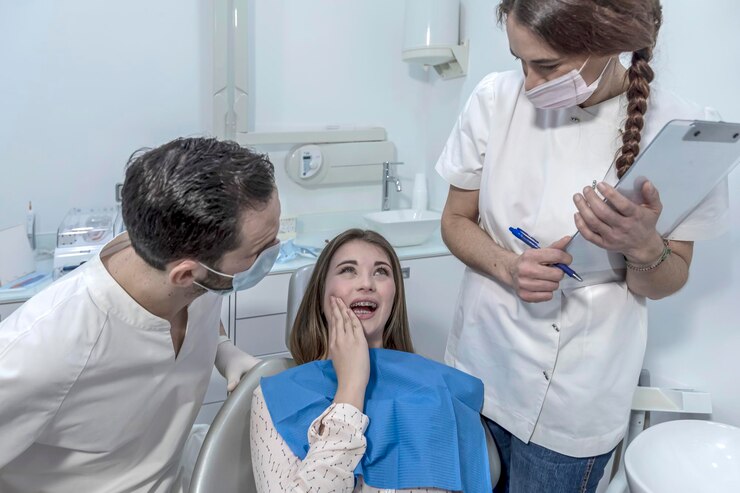
Treatment Options
Your treatment may include scaling and root planing to remove plaque from beneath the gums, along with antibacterial rinses to reduce infection. In advanced cases, surgery may be necessary. Regular cleanings every 3–4 months help maintain your results and reduce the chances of gum disease returning.

After Treatment
You’ll receive clear instructions for home care and be scheduled for follow-up cleanings. We’ll help you build a daily routine that supports healing, including proper brushing, flossing, and possibly using prescription rinses or water flossers to keep your gums clean and inflammation under control.
FREQUENTLY ASKED QUESTIONS
Can gum disease be cured?
Early-stage gum disease (gingivitis) can often be reversed with professional cleaning, improved oral hygiene, and regular dental visits. Once it progresses to periodontitis—where bone and tissue damage has occurred—it cannot be fully "cured," but it can be effectively managed and controlled with ongoing periodontal treatment, including scaling and root planing, maintenance cleanings every 3–4 months, and diligent home care. The key is catching it early and staying consistent with your treatment plan.
How often do I need periodontal maintenance cleanings?
Most patients with a history of gum disease benefit from periodontal maintenance cleanings every 3 to 4 months, rather than the standard 6-month interval. This more frequent schedule helps remove plaque and tartar buildup below the gum line, reduces inflammation, and prevents the disease from progressing. Your dentist will assess your gum health and customize a cleaning schedule based on your individual needs, pocket depths, and response to treatment.
Is periodontal treatment painful?
No, periodontal treatment is not painful. We use local anesthesia to numb the treatment area before performing scaling and root planing or other procedures, ensuring you feel comfortable throughout. Our team also uses gentle, modern techniques—including ultrasonic scalers—to minimize discomfort. Many patients report that the relief from symptoms like swollen, bleeding gums and chronic bad breath makes the treatment well worth it. If you experience dental anxiety, we also offer sedation options to help you relax.
Can gum disease affect my overall health?
Yes, research has established a strong connection between gum disease and overall health. Harmful bacteria from infected gums can enter the bloodstream and contribute to systemic inflammation, increasing the risk of heart disease, stroke, diabetes complications, respiratory infections, and pregnancy complications such as preterm birth. Treating gum disease not only protects your teeth and gums but also supports your whole-body wellness. If you have chronic conditions like diabetes or heart disease, managing your gum health is especially important.
What happens if I don't treat gum disease?
Untreated gum disease will continue to progress, leading to serious consequences including gum recession, bone loss, loose or shifting teeth, and eventually tooth loss. As the infection worsens, it can also increase your risk of systemic health problems such as heart disease, diabetes complications, and stroke. The good news is that the sooner you seek treatment, the better your chances of stopping the disease, preserving your natural teeth, and avoiding costly, complex procedures later. Early intervention is always the best approach.
Lake Magdalene Dental

About
Social Networks
Visit Lake Magdalene Dental on these social links and connect with us. Make sure to follow our accounts for regular updates.