

TEETH WHITENING
Professional whitening treatments designed to brighten your smile safely and effectively.
SERVICES WE OFFER
WHAT IS DENTAL BONDING?
Dental bonding is a cosmetic procedure that uses a tooth-colored resin material to correct minor imperfections. The resin is carefully applied to the tooth, sculpted into the desired shape, and hardened with a special curing light. It blends seamlessly with your natural teeth for a smooth, natural-looking finish.
- Chips or cracks
- Tooth discoloration
- Gaps between teeth
- Slightly misshapen or uneven teeth
- Exposed tooth roots from gum recession
The procedure is quick, painless, and typically does not require anesthesia.
WHO SHOULD CONSIDER DENTAL BONDING?
WHY CHOOSE LAKE MAGDALENE DENTAL?
At Lake Magdalene Dental, we understand the importance of feeling confident in your smile. Our experienced team takes the time to listen to your concerns and provide personalized cosmetic care you can trust.
- Skilled Cosmetic Dentists with an Artistic Eye
- Customized Treatment Plans Based on Your Unique Smile
- Modern Digital Technology for Accurate Color Matching
- Gentle, Patient-Focused Care in a Comfortable Setting
- Convenient Location in Lake Magdalene, Tampa, FL with Flexible Appointments
We believe small changes can make a big difference—and bonding is one of the easiest ways to get started.
BENEFITS OF DENTAL BONDING
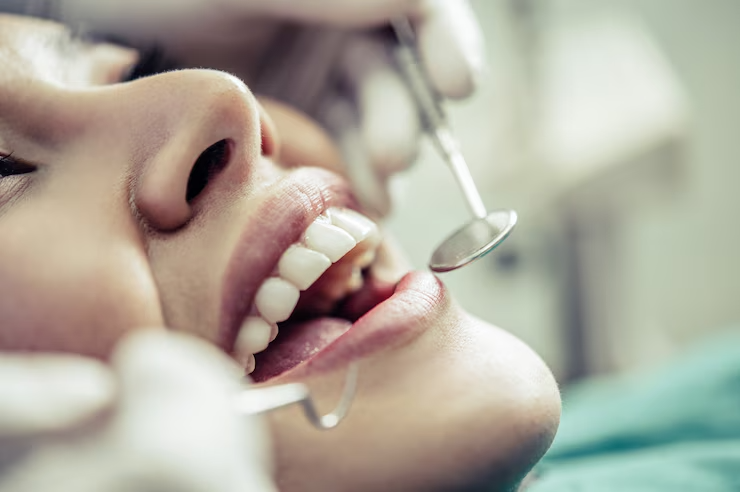

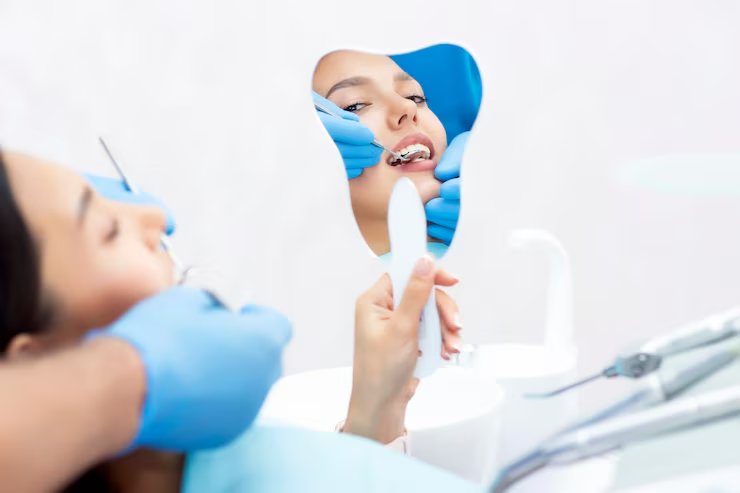
Single-Visit Dental Enhancement
Quick and completed in a single visit, offering immediate improvement without multiple appointments.
Gentle, Non-Invasive Process
Non-invasive with minimal or no tooth preparation required, preserving your natural enamel structure.
Cost-Effective Cosmetic Option
More affordable compared to traditional veneers or crowns while delivering impressive aesthetic results.

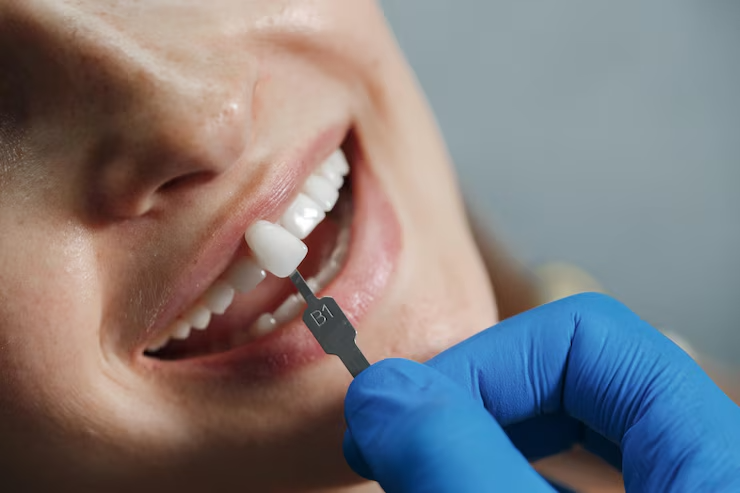

Seamless, Natural Appearance
Natural-looking results that blend perfectly with your existing teeth for a flawless smile.
Versatile Cosmetic Solution
Ideal for addressing both cosmetic concerns and minor restorative issues like chips or discoloration.
Durable and Low Maintenance
Long-lasting results with proper care and maintenance, staying beautiful for years with minimal effort.
WHAT TO EXPECT

Initial Consultation
During your visit, we’ll evaluate your teeth, assess your smile, and talk through your goals. We’ll help determine if dental bonding is the right choice or if another option, like veneers or professional whitening, might be more appropriate based on your specific needs and desired outcome.
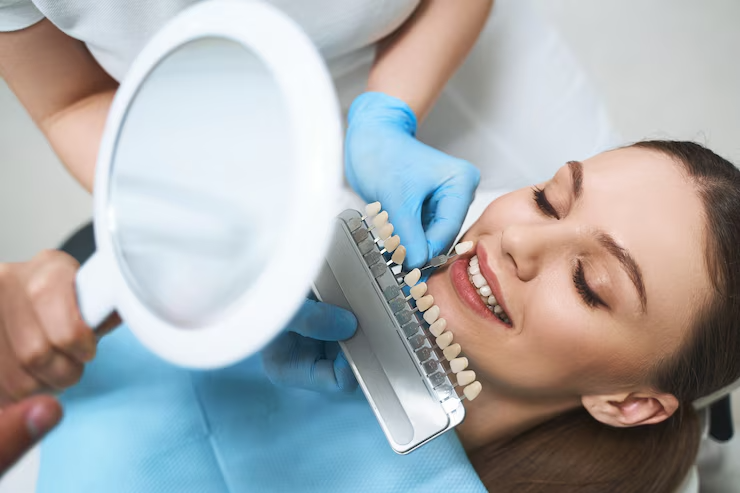
The Bonding Procedure
We start by gently preparing the tooth surface and selecting a resin shade that closely matches your enamel. The composite material is then applied, shaped to blend with your tooth, and carefully smoothed. A special curing light is used to harden the material and bond it securely in place.

Polishing and Final Touches
Once the material is fully hardened, we’ll polish the bonded area to a smooth, natural-looking shine that blends with your surrounding teeth. The entire bonding process typically takes under an hour per tooth, with no recovery time—so you can leave smiling confidently the same day.
FREQUENTLY ASKED QUESTIONS
Is dental bonding painful?
No, dental bonding is typically not painful at all. In most cases, the procedure is completely pain-free and does not require anesthesia because we're working on the surface of the tooth without drilling or removing significant enamel. The tooth is gently cleaned and prepared, then the resin is applied and shaped. However, if bonding is being used to fill a cavity or repair a tooth close to the nerve, we may use local anesthesia to ensure your comfort. Most patients find the procedure quick, comfortable, and stress-free.
How long does dental bonding last?
With proper care, dental bonding typically lasts 3 to 10 years. Longevity depends on several factors, including the location of the bonding (front teeth experience less wear than molars), your oral habits (avoiding biting hard objects, ice, or fingernails), and your home care routine (regular brushing, flossing, and professional cleanings). While bonding material is durable, it's not as strong as natural enamel or porcelain veneers, so it may chip or wear over time. Touch-ups or replacements can be done easily when needed.
Can dental bonding fix a gap between my teeth?
Yes, dental bonding is an excellent, non-invasive option for closing small to moderate gaps between teeth—especially front teeth. We apply tooth-colored resin to the edges of the adjacent teeth to "build out" the sides and close the space, creating a seamless, natural appearance. This approach is much faster and more affordable than orthodontic treatment and doesn't require any removal of tooth structure. For larger gaps or multiple spacing issues, we may recommend Invisalign or veneers for a more comprehensive, long-term solution.
Does dental bonding stain over time?
Yes, bonding material can stain over time, especially with regular exposure to dark-colored foods and beverages like coffee, tea, red wine, berries, and soy sauce, or tobacco use. Unlike porcelain veneers, composite resin is slightly more porous and can absorb pigments. However, maintaining good oral hygiene—brushing twice daily, flossing, and getting regular professional cleanings—can help minimize staining. If your bonding becomes noticeably discolored, we can polish it or replace it to restore its original brightness.
Is dental bonding reversible?
Yes, dental bonding is reversible because the procedure requires minimal or no removal of natural tooth enamel. The composite resin is applied directly to the tooth surface, so if you later decide you want a different cosmetic solution—such as porcelain veneers or crowns—the bonding can be removed or replaced without causing damage to your tooth structure. This makes bonding a great "trial" option for patients who want to improve their smile now while considering more permanent treatments in the future.
Lake Magdalene Dental

About
Social Networks
Visit Lake Magdalene Dental on these social links and connect with us. Make sure to follow our accounts for regular updates.