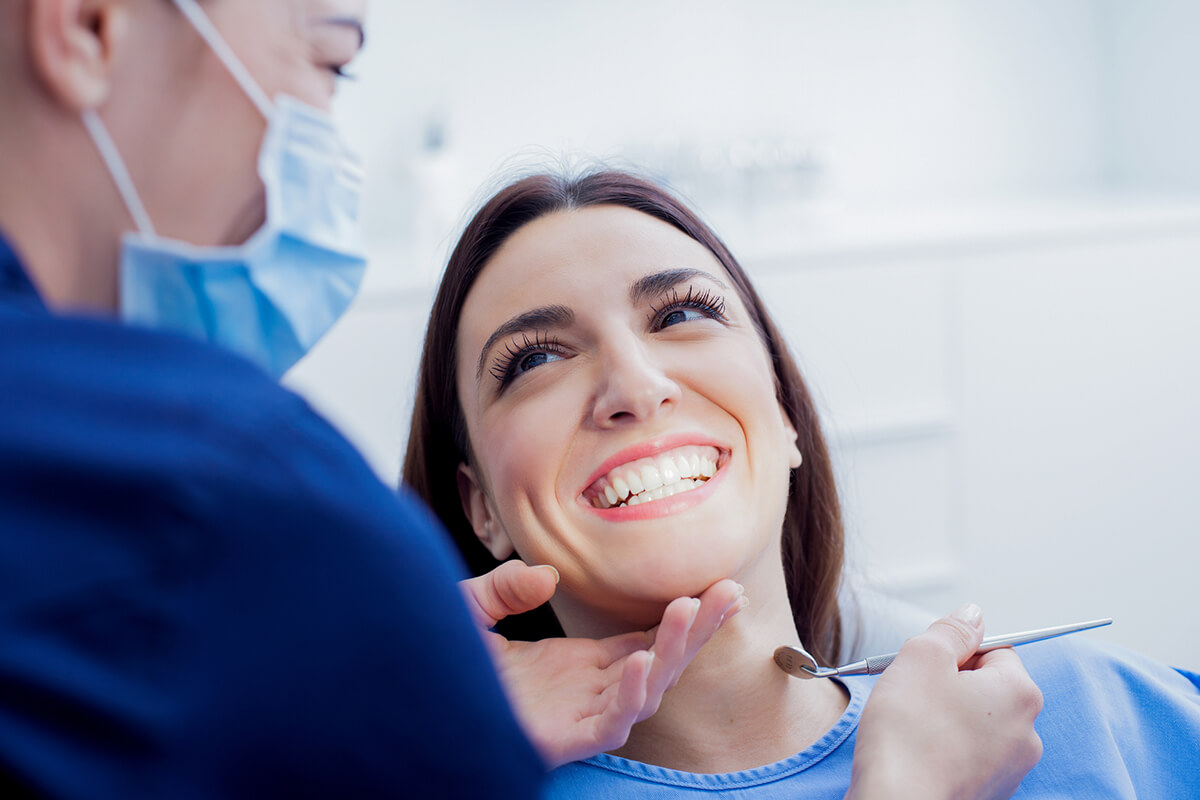
TEETH WHITENING
Professional whitening treatments designed to brighten your smile safely and effectively.
SERVICES WE OFFER
WHAT ARE VENEERS?
Dental veneers are ultra-thin, custom-crafted shells—usually made of porcelain—that are bonded to the front surfaces of your teeth. Each veneer is designed to match the color, shape, and contour of your natural teeth, creating a uniform, attractive smile. Veneers are a popular choice in cosmetic dentistry because they provide dramatic aesthetic improvement with a conservative approach.
They are commonly used to correct issues like discoloration, minor chips, misshapen teeth, and small alignment problems without the need for braces or extensive dental procedures.
WHO NEEDS VENEERS?
WHY CHOOSE LAKE MAGDALENE DENTAL?
Choosing the right provider makes all the difference when it comes to cosmetic treatments like veneers. At Lake Magdalene Dental, our skilled team offers detailed smile assessments, advanced imaging, and precise veneer placement to ensure your results are beautiful, comfortable, and long-lasting.
- Customized treatment plans based on your smile goals
- High-quality porcelain materials for a natural look and durability
- Advanced techniques to preserve as much natural tooth structure as possible
- A relaxing and judgment-free environment
- A focus on long-term oral health and cosmetic success
We take the time to understand what you want from your smile—and deliver results that exceed expectations.
BENEFITS OF VENEERS



Instant Smile Upgrade
Quickly improves stained, chipped, or uneven teeth for a cleaner, brighter smile.
Natural, Symmetrical Look
Each veneer is custom-designed to match your natural tooth shape and alignment.
Whiter Smile Protection
Stain-resistant porcelain helps keep your smile bright and clean over time.
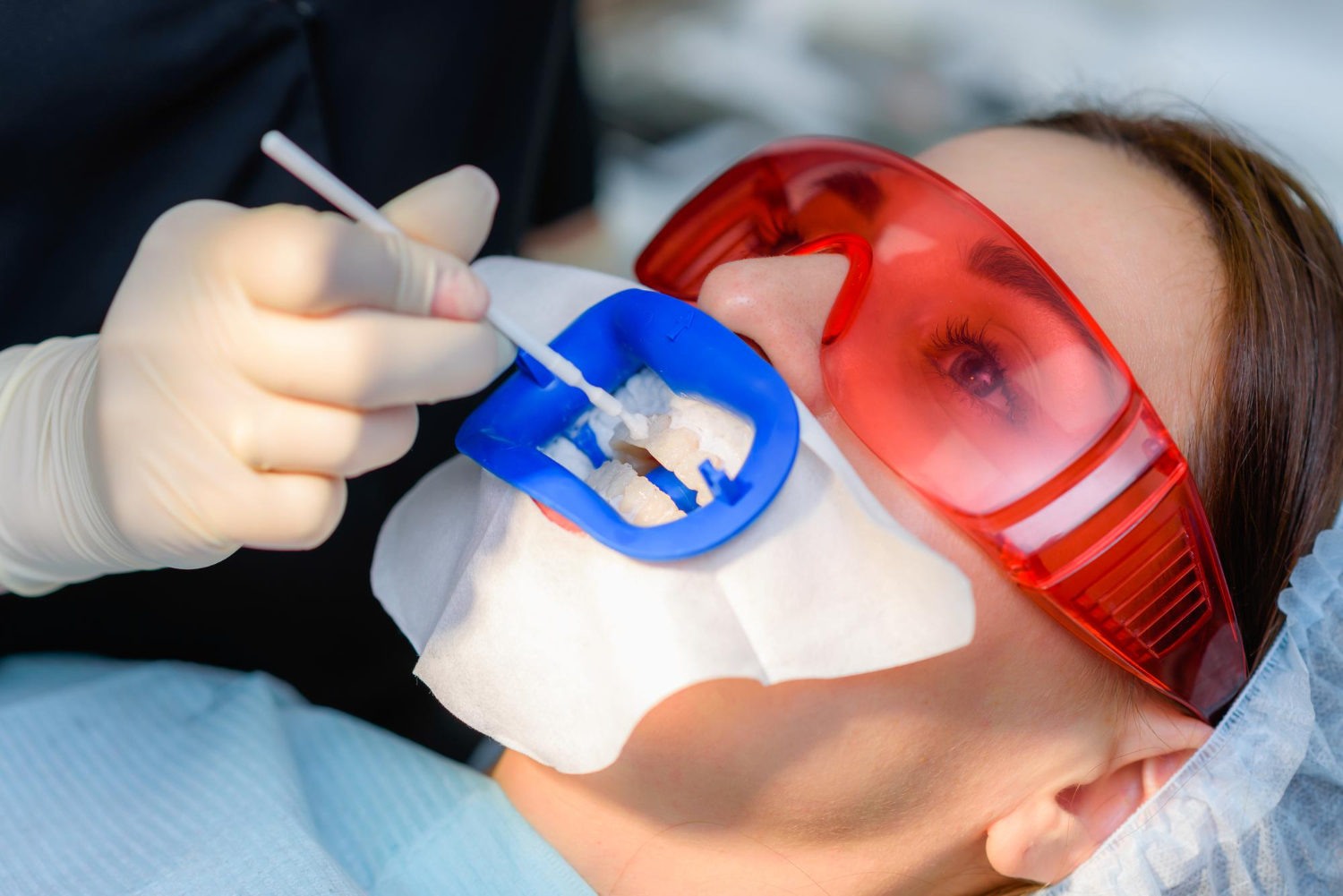


Minimal Enamel Removal
Only a small amount of enamel is removed to preserve your natural teeth.
Long-Lasting Veneer Results
With proper care, veneers can last over 10 years without losing their look.
Quick, Easy Recovery
Little to no downtime—return to daily activities almost immediately.
WHAT TO EXPECT

Tooth Prep & Scan
A small amount of enamel is gently removed to make room for the veneer. Then, we take impressions of your teeth to send to the dental lab for fabrication.

Veneer Placement
Once your custom veneers are ready, we check the fit and color before bonding them securely to your teeth. Adjustments are made as needed to ensure comfort and aesthetics.

Aftercare
Veneers require no special maintenance—just regular brushing, flossing, and dental visits. Avoid biting hard objects (like ice or pens) to protect your investment.
FREQUENTLY ASKED QUESTIONS
Are porcelain veneers permanent?
Veneers are a long-term solution but not technically permanent. They typically last 10–15 years before needing replacement due to normal wear, staining, or changes in your gums and teeth. Because a small amount of enamel is removed during placement to ensure a proper fit, the procedure is not reversible—you'll always need veneers or another restoration on those teeth.
Do porcelain veneers look natural?
Yes. High-quality porcelain veneers are designed to mimic the translucency and light-reflecting properties of natural tooth enamel. We custom-match the color, shape, size, and contour to blend seamlessly with your surrounding teeth and facial features. Most people won't be able to tell you have veneers—they'll just notice your beautiful, confident smile.
Will I need to avoid certain foods with veneers?
You can eat most foods normally with veneers, but it's best to avoid biting directly into very hard objects—like ice, hard candy, pens, or shells—which can chip or crack the porcelain. Also avoid sticky or chewy foods that might dislodge the veneer. Cutting tough foods (like apples or corn on the cob) into smaller pieces can help protect your investment.
Is getting veneers painful?
Most patients experience little to no discomfort. We use local anesthesia during the tooth preparation stage to numb the area completely. You may feel mild sensitivity for a few days after the enamel is removed or after the final veneers are bonded, but this typically fades quickly. The procedure itself is gentle and well-tolerated by most patients.
Can veneers fix crooked or misaligned teeth?
Veneers can improve the appearance of minor misalignment or slightly crooked teeth by creating the illusion of a straighter smile. However, they don't actually move teeth—they simply reshape their visible surface. For moderate to severe crookedness, orthodontic treatment (like Invisalign or braces) is usually recommended first to address the underlying alignment issue, then veneers can be placed for a perfect final result.
Lake Magdalene Dental

About
Social Networks
Visit Lake Magdalene Dental on these social links and connect with us. Make sure to follow our accounts for regular updates.