


TEETH WHITENING
Professional whitening treatments designed to brighten your smile safely and effectively.
SERVICES WE OFFER
WHAT ARE DENTAL BRIDGES?
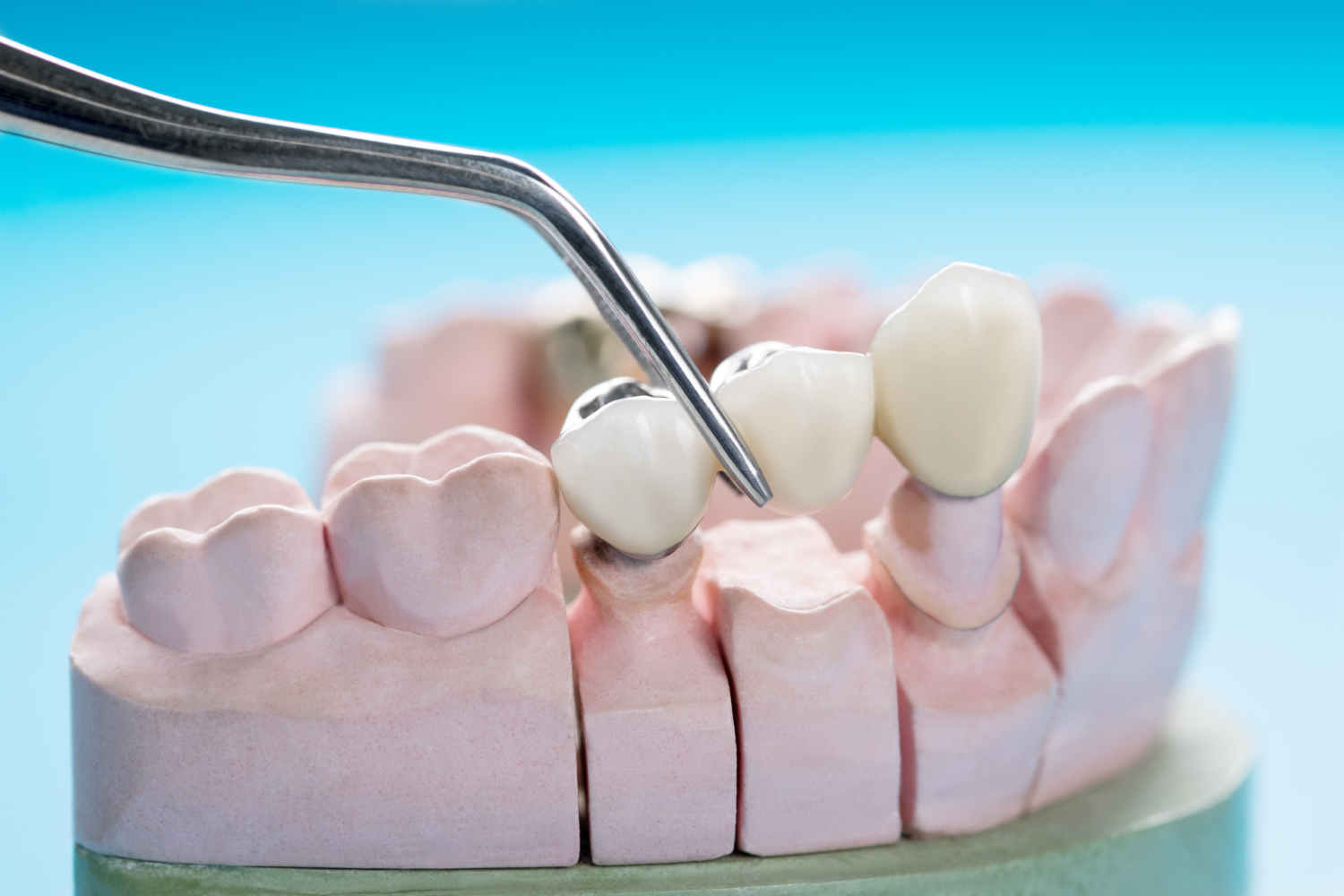
A dental bridge is a fixed prosthetic device used to replace one or more missing teeth. It literally “bridges” the gap between healthy teeth using artificial teeth (called pontics) supported by crowns on adjacent natural teeth or implants.
Dental bridges are custom-made to blend in with your smile and restore normal function. They can be made from porcelain, ceramic, or a combination of materials to match the color and strength of your natural teeth.
WHO NEEDS A DENTAL BRIDGE?
WHY CHOOSE LAKE MAGDALENE DENTAL?
patients with high-quality restorative dentistry in a setting that prioritizes your comfort and trust. When designing a dental bridge, we focus on achieving optimal function, long-term stability, and a seamless appearance.
- Skilled team with years of restorative experience
- Precision-fit bridges crafted using advanced digital imaging
- Gentle care and personalized treatment planning
- Strong focus on aesthetics and natural results
- Local, trusted dental practice serving families in Lake Magdalene
We’ll guide you through each step, from preparation to final placement, so you feel informed and confident in your care.
BENEFITS OF DENTAL BRIDGES



Chewing and Speaking Restored
Regain your ability to chew food and speak clearly with secure and functional dental bridges.
Smile and Confidence Boost
Improve your overall appearance and feel more confident by restoring a full, natural-looking smile.
Facial Shape Preservation
Support your facial muscles and maintain your jawline’s shape to prevent sunken or aged appearances.



Prevent Teeth from Shifting
Keep nearby teeth in their proper positions and avoid future alignment issues with stable bridge support.
Durable and Long-Lasting Solution
Enjoy years of use with proper care, thanks to the strength and stability of dental bridge materials.
No Daily Removal Needed
Unlike dentures, dental bridges stay fixed in place—no need for nightly removal or adhesives.
WHAT TO EXPECT

Preparation
We begin by preparing the teeth adjacent to the gap or placing implants when needed. These abutment teeth are reshaped to fit crowns, which will support the bridge. Impressions are then taken and sent to a dental lab to craft your custom permanent bridge.
Temporary Bridge
While your custom bridge is being fabricated, we provide a temporary bridge to maintain the function and appearance of your smile. This temporary piece helps protect the prepared teeth, prevents shifting, and allows you to eat and speak comfortably until the permanent one is ready.

Final Placement
During your second appointment, we carefully remove the temporary bridge and place your permanent one. We check the fit, bite, and aesthetics to ensure everything feels right. Once confirmed, the bridge is bonded securely to the abutments, restoring your smile’s function and natural appearance.
FREQUENTLY ASKED QUESTIONS
Is a dental bridge permanent?
Yes, dental bridges are considered a permanent, fixed restoration because they are cemented or bonded securely to your natural teeth or dental implants and cannot be removed by the patient—unlike partial dentures, which you take out daily. However, "permanent" doesn't mean they last forever. With proper care, bridges typically last 10–15 years or longer before they may need replacement due to normal wear, decay of supporting teeth, or damage. Regular dental checkups, good oral hygiene, and avoiding habits like teeth grinding help maximize the lifespan of your bridge.
Does getting a dental bridge hurt?
Most patients experience minimal discomfort during the bridge procedure. We use local anesthesia to numb the area when preparing the abutment teeth (the teeth on either side of the gap), so you won't feel pain during the reshaping process. After the anesthesia wears off, you may experience mild soreness or sensitivity in the prepared teeth for a few days, which can be managed with over-the-counter pain relievers. The temporary bridge may feel slightly bulky at first, but once your permanent bridge is placed, it should feel comfortable and natural. Most patients adjust within a few days.
How do I care for my dental bridge?
Caring for your dental bridge is similar to caring for natural teeth, with a few additional steps. Brush twice daily with fluoride toothpaste and a soft-bristled brush, paying special attention to the areas where the bridge meets your gums. Flossing is critical—use a floss threader, super floss, or a water flosser to clean underneath the pontic (false tooth) and around the abutment crowns where food and plaque can accumulate. Visit us every six months for professional cleanings and bridge inspections. Avoid chewing hard foods (ice, hard candy) on the bridge and consider a night guard if you grind your teeth.
What's the difference between a dental bridge and a dental implant?
The key difference is how they're supported. A dental bridge relies on adjacent natural teeth for support—these "abutment teeth" are crowned and the false tooth (pontic) is attached between them. A dental implant, on the other hand, is anchored directly into your jawbone with a titanium post, making it an independent replacement that doesn't require altering neighboring teeth. Implants preserve jawbone and don't affect adjacent teeth, but require surgery and sufficient bone density. Bridges are less invasive, faster (typically completed in 2–3 weeks), and more affordable, but do require reshaping healthy teeth. We'll help you choose the best option based on your oral health, budget, and goals.
Will my dental bridge look natural?
Yes, absolutely. We custom-design each bridge to match the color, shape, size, and contour of your surrounding natural teeth, ensuring a seamless, natural-looking result. Using high-quality porcelain or ceramic materials and advanced digital imaging, we create bridges that blend perfectly with your smile. The artificial tooth (pontic) is carefully crafted to match your tooth enamel shade, and the crowns on the abutment teeth are designed to look and feel like your natural teeth. Most people won't be able to tell the difference between your bridge and your natural teeth—it will simply look like part of your beautiful, complete smile.
Lake Magdalene Dental

About
Social Networks
Visit Lake Magdalene Dental on these social links and connect with us. Make sure to follow our accounts for regular updates.