

TEETH WHITENING
Professional whitening treatments designed to brighten your smile safely and effectively.
SERVICES WE OFFER
WHAT IS GINGIVITIS?
Gingivitis is a mild form of periodontal (gum) disease that causes inflammation of the gum tissue. It typically develops due to a buildup of plaque—a sticky film of bacteria—around the gumline. Left untreated, it can progress to periodontitis, a more severe condition that can result in gum recession, bone loss, and even tooth loss.
The good news? Gingivitis is reversible with proper dental care and improved oral hygiene.
Gums that bleed when brushing or flossing
Red, swollen, or tender gums
Persistent bad breath or a bad taste in the mouth
Receding gum line
Mild gum sensitivity
At Lake Magdalene Dental, we take gum health seriously. Our team uses the latest diagnostic tools and treatment techniques to catch and treat gingivitis in its earliest stage. We provide comprehensive care for patients of all ages in Lake Magdalene, Tampa, FL, with a focus on prevention, comfort, and education.
- Thorough cleanings using advanced technology
- Skilled, compassionate providers you can trust
- Convenient Lake Magdalene, Tampa, FL location for families and professionals
- Clear communication about your oral health status
- Customized hygiene plans to keep gums healthy at home
We’re here to help you feel confident about your smile and empowered to protect it.
BENEFITS OF GINGIVITIS TREATMENT
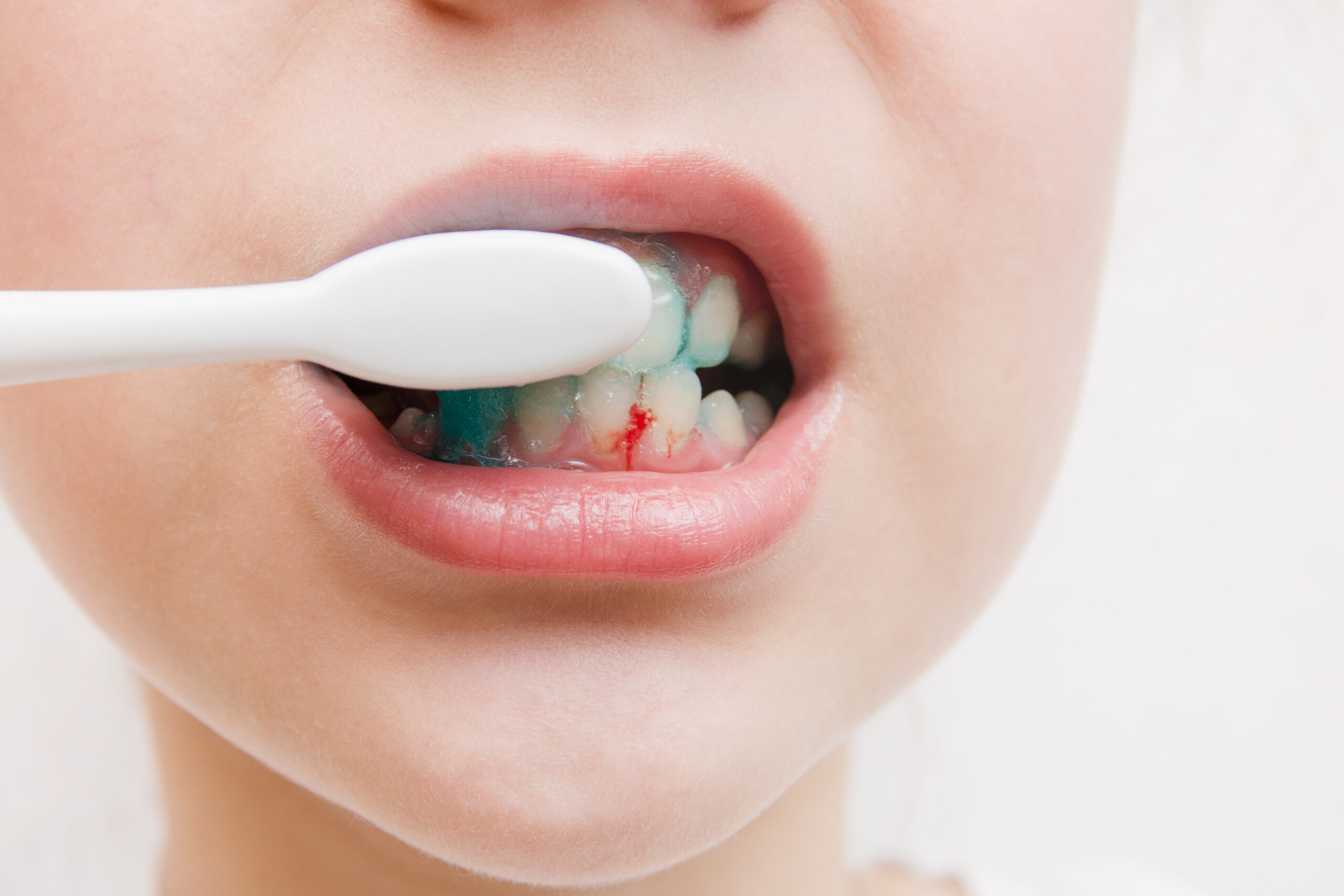


Gum Bleeding Relief
Reduces gum bleeding and inflammation by removing harmful plaque and bacteria.
Stops Gum Disease
Prevents early gum issues from progressing into serious periodontal disease.
Fights Bad Breath
Eliminates odor-causing bacteria for a fresher, cleaner mouth.


Healthier-Looking Gums
Improves gum color, shape, and overall oral appearance.
Tooth and Bone Protection
Lowers risk of tooth loss and bone damage.
Supports Overall Health
Promotes better heart and body health by reducing gum infection.
WHAT TO EXPECT

Initial Exam and Evaluation
Your visit starts with a full-mouth exam, including a review of your medical history, gum pocket measurements (probing), and digital X-rays if needed. We’ll evaluate for signs of plaque, tartar, and inflammation to determine the extent of gingivitis and your treatment needs.
Professional Cleaning
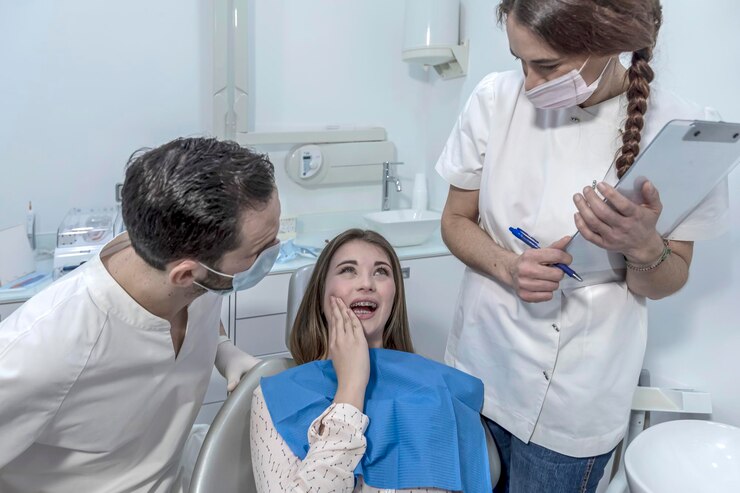
To manage gingivitis, we perform a focused dental cleaning that targets plaque and tartar buildup, especially near and beneath the gum line. This may include scaling, which removes hardened deposits, and helps reduce gum inflammation to promote healthier tissue and prevent progression to periodontal disease.

At-Home Care Plan
You’ll receive tailored instructions on brushing, flossing, and using antimicrobial mouthwash. We may recommend lifestyle changes like quitting smoking or improving your diet. Our goal is to help you maintain gum health between visits and reduce the chances of gingivitis returning in the future.
FREQUENTLY ASKED QUESTIONS
Can gingivitis go away on its own?
No, gingivitis typically cannot go away on its own without professional intervention. While brushing and flossing at home are essential for managing symptoms, they usually cannot remove hardened tartar (calculus) that has formed below the gumline—and this tartar is a major contributor to gum inflammation. Professional dental cleanings are necessary to thoroughly remove plaque and tartar buildup and reverse the condition. Once your gums are cleaned professionally and you maintain excellent oral hygiene at home, gingivitis can be completely reversed and prevented from returning.
What's the difference between gingivitis and periodontitis?
Gingivitis is the earliest, mildest stage of gum disease and is completely reversible with professional treatment and improved oral hygiene. It causes inflammation, redness, swelling, and bleeding of the gums but has not yet damaged the bone or connective tissue that hold your teeth in place. Periodontitis, on the other hand, is advanced gum disease that occurs when untreated gingivitis progresses. It causes irreversible damage—including gum recession, bone loss, deep periodontal pockets, and eventual tooth loss. The key difference is reversibility: gingivitis can be cured, but periodontitis can only be managed and controlled, not reversed.
How long does it take to treat gingivitis?
With professional cleaning and consistent at-home care, most patients see noticeable improvement in their gum health within 1 to 2 weeks—reduced bleeding, less swelling, and healthier-looking gums. Full recovery and restoration of healthy gum tissue may take several weeks to a few months, depending on the severity of the gingivitis and how diligently you follow your personalized home-care plan (brushing twice daily, flossing, using antimicrobial mouthwash). Regular follow-up visits help us monitor your progress and ensure the gingivitis doesn't return.
Is gingivitis treatment painful?
Most gingivitis cleanings are not painful. Since gingivitis is the earliest stage of gum disease and hasn't yet caused deep pockets or significant damage, the cleaning process is typically similar to a routine dental cleaning and feels comfortable for most patients. However, if your gums are very tender, swollen, or sensitive, we can apply a topical numbing gel or use gentler ultrasonic scaling techniques to minimize discomfort. Our goal is to ensure you feel comfortable and relaxed throughout your treatment.
Can children get gingivitis?
Yes, children and teenagers can develop gingivitis, especially if they have inconsistent oral hygiene habits, wear braces (which trap more plaque), or are experiencing hormonal changes during puberty that can make gums more sensitive and prone to inflammation. Teaching children proper brushing and flossing techniques early, scheduling regular dental checkups every six months, and monitoring their gum health can help detect and treat gingivitis before it becomes a more serious problem. We provide gentle, age-appropriate care for young patients.
Lake Magdalene Dental

Open 8:00 AM-5:00 PM Mon-Sat
15511 N Florida Ave #501, Tampa, FL 33613
About
Social Networks
Visit Lake Magdalene Dental on these social links and connect with us. Make sure to follow our accounts for regular updates.