

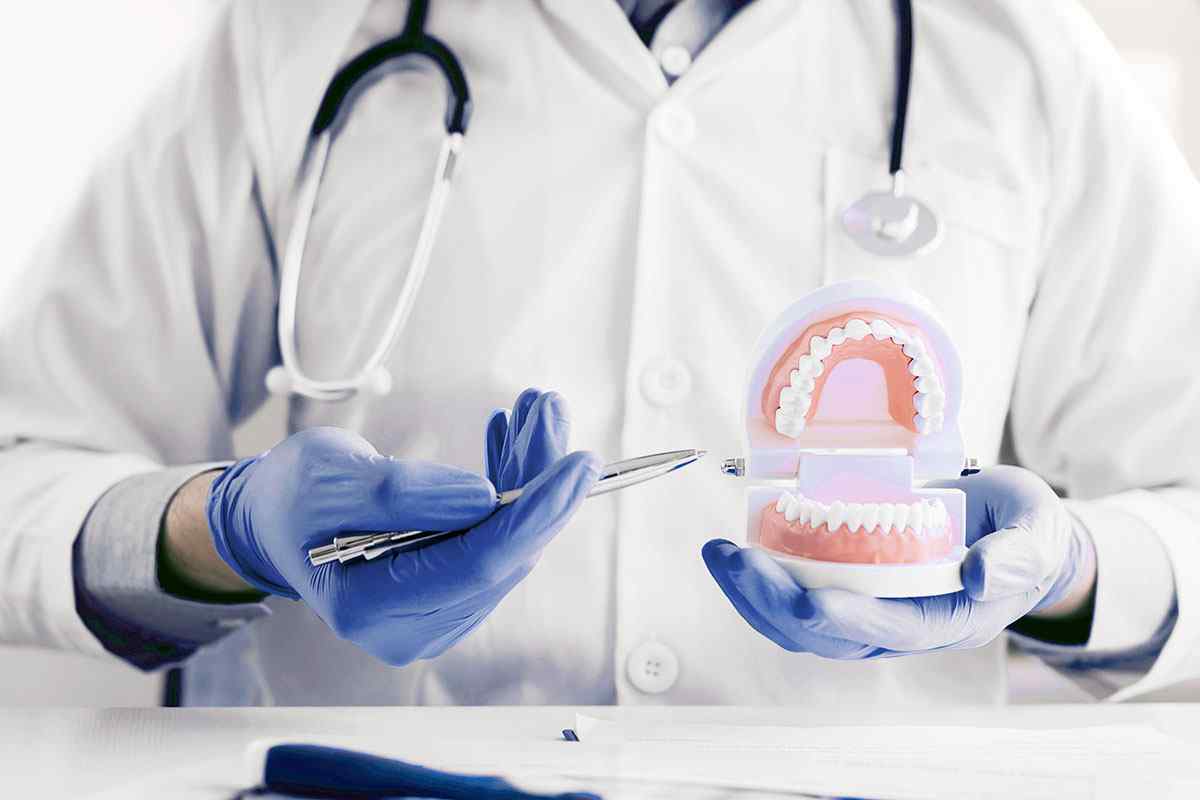


TEETH WHITENING
Professional whitening treatments designed to brighten your smile safely and effectively.
SERVICES WE OFFER
WHAT ARE IMPLANT DENTURES AND PARTIALS?
Implant-supported dentures are dentures that are anchored to your jawbone using dental implants, rather than simply resting on the gums. This added support improves function, appearance, and comfort.
- Implant-Supported Full Dentures – Used when all teeth are missing in the upper or lower jaw
- Implant-Supported Partial Dentures – Ideal when several teeth are missing but some natural teeth remain
Unlike traditional dentures, implant-retained options don’t shift or slip during daily activities. They also help preserve the bone in your jaw, preventing the sunken appearance that can occur with long-term tooth loss.
WHO IS A GOOD CANDIDATE?
WHY CHOOSE LAKE MAGDALENE DENTAL?
Choosing a provider who understands both restorative dentistry and implant technology is key to successful treatment. At Lake Magdalene Dental, our team delivers a personalized, comfortable experience every step of the way.
- Extensive Experience in Restorative and Implant Dentistry
- Local, Trusted Dental Team Serving Lake Magdalene, Tampa, FL Families
- Digital Imaging and 3D Technology for Precise Treatment Planning
- Clear Communication and Customized Treatment Plans
- Ongoing Support and Hygiene Guidance for Long-Term Success
We work closely with skilled specialists when necessary to ensure surgical placement is seamless and results meet your expectations.
BENEFITS OF IMPLANT DENTURES AND PARTIALS



Stable, Slip-Free Comfort
Implant dentures stay secure without adhesives, preventing slipping or shifting during daily activities.
Stronger Bite Power
Enjoy improved chewing strength for tougher foods, thanks to the solid support of implant dentures.
Jawbone and Facial Preservation
Implants help prevent bone loss and support facial shape, avoiding a sunken appearance.
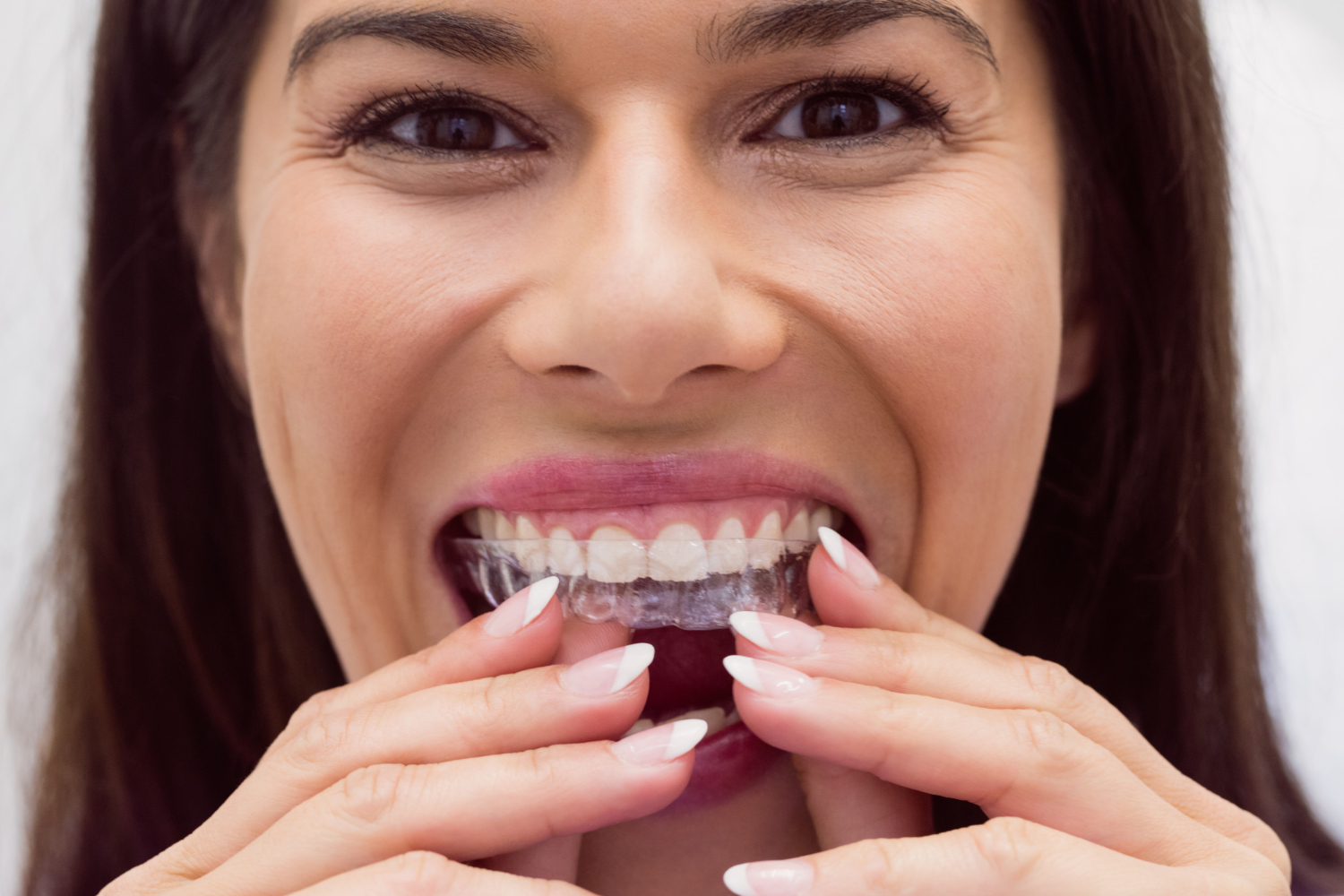

Fewer Gum Issues
Less irritation and fewer sore spots since the dentures don’t rest directly on your gums.
Speak and Smile Confidently
Talk and smile without worry—implant dentures stay in place and look completely natural.
Natural Look and Feel
Designed to look like real teeth, they feel natural and blend seamlessly with your smile.
WHAT TO EXPECT
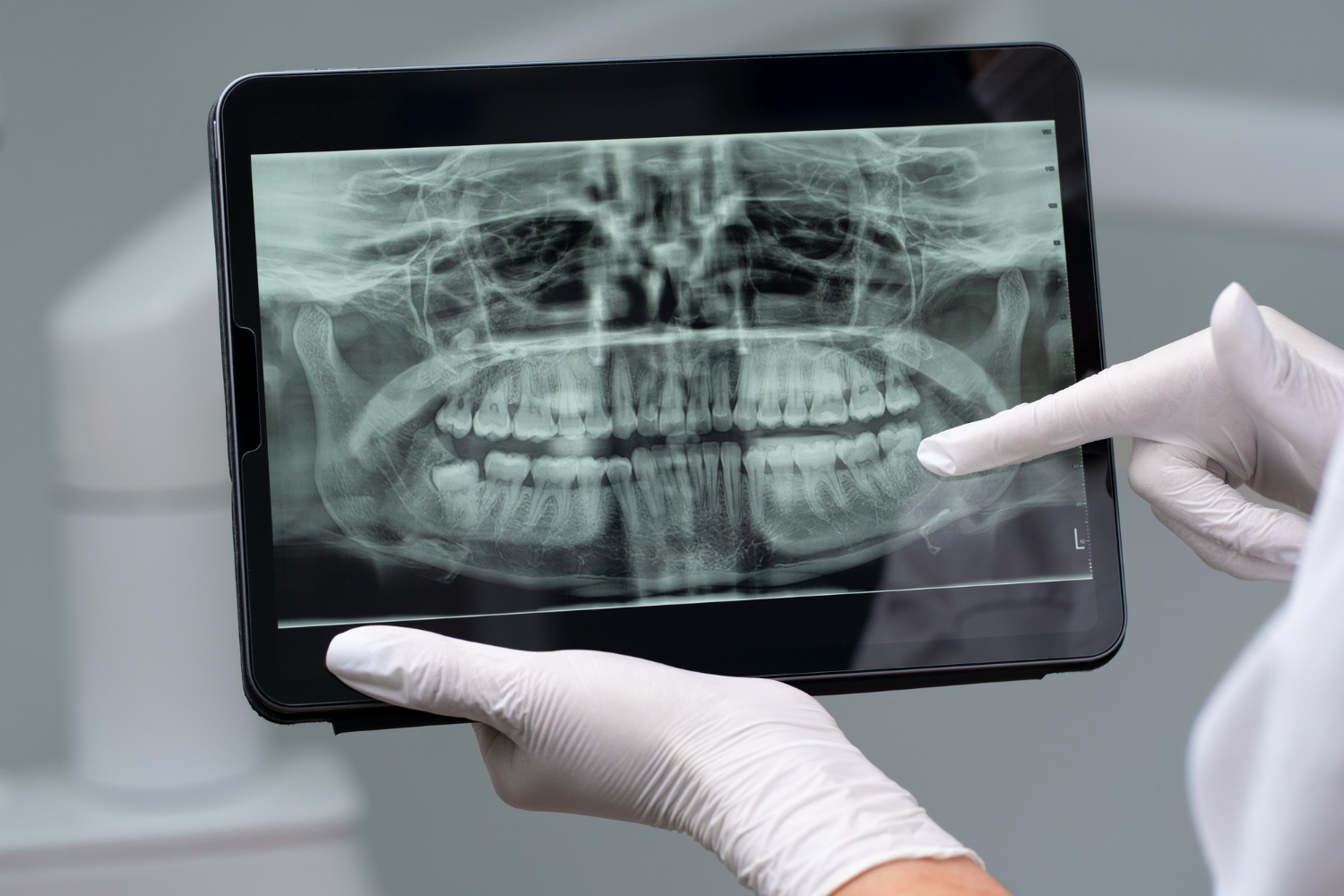
Consultation & Evaluation
We’ll examine your gums, take digital scans, and assess bone density to determine if you’re a candidate for implant dentures or partials. Your customized treatment plan is then created to match your goals and needs.

Implant Placement Process
Implants are surgically placed into the jawbone to anchor your denture. This process is done with precision and comfort in mind, often followed by a healing period before attaching the final full or partial denture.

Final Fit and Function
Once healing is complete, your denture is securely attached. We ensure it fits naturally and comfortably. You’ll leave with full biting power, a confident smile, and care instructions to maintain long-term oral health.
FREQUENTLY ASKED QUESTIONS
Are implant dentures permanent?
Yes and no—it depends on the type. The dental implants themselves are permanently placed into your jawbone and are designed to last a lifetime with proper care. The denture attached to the implants can be either fixed (permanently secured and only removable by your dentist) or removable (you can take it out for cleaning, like a traditional denture, but it snaps securely onto the implants). During your consultation, we'll discuss which design best fits your lifestyle, oral health needs, and preferences.
Do implant dentures hurt?
Most patients report minimal discomfort during the implant placement procedure because we use local anesthesia and, if needed, sedation options to keep you comfortable. After the procedure, some soreness, swelling, or mild discomfort is normal for a few days—similar to the feeling after a tooth extraction. Over-the-counter pain medication and ice packs typically manage any discomfort effectively. Once the implants have fully healed and your denture is attached, most patients find implant dentures far more comfortable than traditional dentures because they don't rest on or rub against your gums.
Can I eat normally with implant dentures?
Absolutely! One of the greatest benefits of implant dentures is the ability to eat a much wider variety of foods—including tougher, chewier, or harder items like steak, apples, corn on the cob, and nuts—that are difficult or impossible to enjoy with traditional dentures. Because implant dentures are anchored securely to your jawbone, they provide significantly stronger bite force and don't slip or shift while you're eating. You can enjoy your favorite foods again with confidence and without worrying about denture adhesives or embarrassing slippage.
How long do implant dentures last?
With proper care and regular dental check-ups, the dental implants themselves can last a lifetime—often 20+ years or even permanently. The denture prosthesis attached to the implants typically lasts 10–15 years or more, depending on wear and tear, oral hygiene, and maintenance. Over time, the denture may need minor adjustments, relining, or eventual replacement due to normal wear or changes in your mouth, but the implants remain stable. Regular cleanings and good home care are key to maximizing the lifespan of both the implants and the denture.
Is bone grafting needed for implant dentures?
Not always. Bone grafting is only necessary if you've experienced significant jawbone loss due to missing teeth, gum disease, or long-term denture wear. During your consultation, we'll use digital X-rays and 3D imaging to assess your bone density and volume. If you have sufficient healthy bone to support implants, grafting is not required. However, if bone loss is present, we may recommend bone grafting to build up the jawbone and create a solid foundation for the implants. We'll explain all your options and create a personalized treatment plan tailored to your needs.
Lake Magdalene Dental

About
Social Networks
Visit Lake Magdalene Dental on these social links and connect with us. Make sure to follow our accounts for regular updates.