


TEETH WHITENING
Professional whitening treatments designed to brighten your smile safely and effectively.
SERVICES WE OFFER
WHAT IS PERIODONTAL THERAPY?
Periodontal therapy includes a range of treatments focused on managing gum disease (also known as periodontal disease), which affects the tissues and bone that support your teeth. This progressive condition can begin with mild inflammation (gingivitis) and, if left untreated, develop into more serious infections that threaten the integrity of your teeth and jawbone.
Therapies may include deep cleaning procedures like scaling and root planing, antibiotic treatment, and long-term periodontal maintenance programs. Our goal is to halt disease progression, reduce inflammation, and preserve your natural teeth.
WHO NEEDS PERIODONTAL THERAPY?
WHY CHOOSE LAKE MAGDALENE DENTAL?
We understand that gum disease can be a sensitive and sometimes overwhelming diagnosis. At Lake Magdalene Dental, we provide periodontal care that is precise, compassionate, and tailored to your individual needs. Our patients in Lake Magdalene, Tampa, FL trust us for:
- Thorough evaluations using digital imaging and periodontal charting
- Gentle, non-surgical treatments when possible
- Clear explanations and personalized care plans
- A supportive environment focused on long-term health
- Experienced providers with a focus on prevention and maintenance
Your comfort and oral health are our top priorities—from your first cleaning to your last follow-up.
BENEFITS OF PERIODONTAL THERAPY


Halts Gum Disease Progression
Stops gum disease from advancing further, helping preserve your oral health and prevent complications.
Prevents Tooth and Bone Loss
Preserves natural teeth and protects the jawbone from deteriorating due to periodontal disease.
Reduces Gum Swelling and Bleeding
Minimizes inflammation, irritation, and bleeding for healthier, more comfortable gums.



Fights Bad Breath Bacteria
Targets and eliminates odor-causing bacteria deep beneath the gum line.
Improves Whole-Body Health
Supports systemic health by reducing inflammation linked to heart disease and diabetes.
Builds Strong Dental Foundation
Helps maintain healthy gums to support long-term stability of teeth and dental work.
WHAT TO EXPECT

Diagnosis and Planning
We begin by evaluating the health of your gums using clinical measurements, digital X-rays, and assessments of pocket depth and bone support. These findings help us develop a personalized treatment plan aimed at stopping gum disease progression and promoting long-term periodontal health.
Scaling and Root Planing
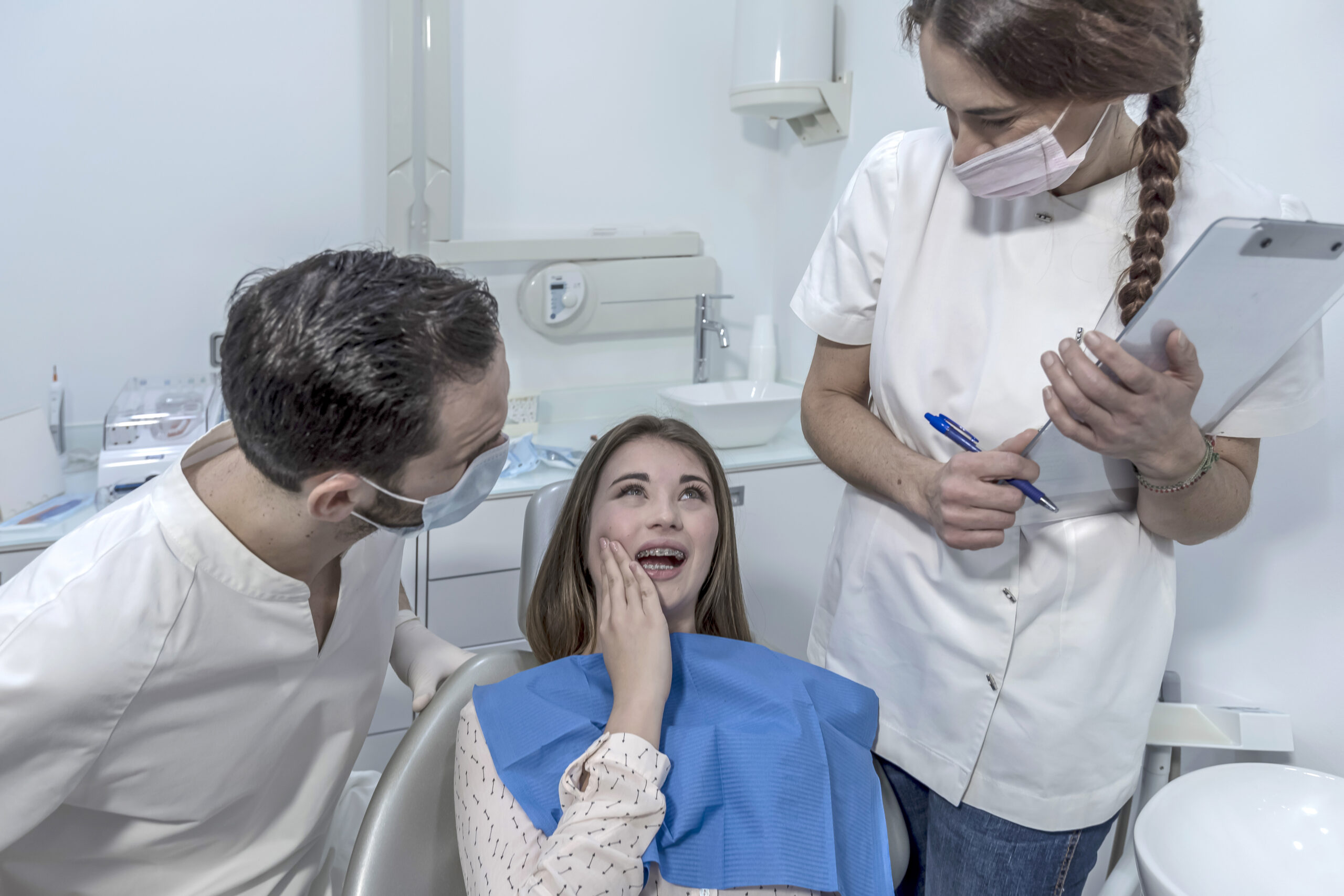
This non-surgical deep cleaning removes plaque and tartar from beneath the gum line and smooths the root surfaces to support reattachment and healing. It’s typically performed in sections, often under local anesthesia, to ensure maximum comfort and effective treatment of affected areas.

Antimicrobial Treatment
To further support healing, we may place localized antibiotics or antimicrobial agents directly into the gum pockets after scaling. This targets bacteria at the source, helping reduce infection, inflammation, and pocket depth while promoting faster recovery and more stable periodontal outcomes.
FREQUENTLY ASKED QUESTIONS
What causes periodontal disease?
Periodontal disease is primarily caused by poor oral hygiene, which allows plaque (a sticky film of bacteria) to build up on teeth and harden into tartar below the gumline. Other contributing factors include smoking or tobacco use, genetics (family history), diabetes, hormonal changes (pregnancy, menopause), certain medications that reduce saliva flow, chronic stress, and poor nutrition. Regular dental cleanings and good home care can prevent most cases.
Is gum disease reversible, or can it be cured?
It depends on the stage. Gingivitis (early gum disease with red, swollen, bleeding gums) is completely reversible with professional cleanings, improved brushing and flossing, and regular checkups. However, periodontitis (advanced gum disease with bone loss and deep pockets) cannot be fully reversed—it can only be managed and stabilized through periodontal therapy, ongoing maintenance cleanings every 3–4 months, and excellent home care to prevent further damage.
Will periodontal therapy be painful?
Most patients experience little to no discomfort during treatment. We use local anesthesia to numb the treatment area during scaling and root planing, so you won't feel pain—just gentle pressure. Some mild soreness, sensitivity, or tenderness may occur for a few days afterward, but this is easily managed with over-the-counter pain relievers, saltwater rinses, and soft foods. Our gentle approach ensures maximum comfort throughout the process.
How often will I need periodontal maintenance cleanings after treatment?
Typically every 3–4 months (rather than the standard 6-month cleanings for healthy gums). The exact frequency depends on your pocket depths, bone loss severity, home care quality, and how well your gums respond to initial therapy. These more frequent cleanings are essential to prevent reinfection and keep periodontal disease under control long-term. Your dentist will customize a maintenance schedule based on your individual needs.
Can untreated gum disease affect my overall health?
Yes. Research has established strong links between periodontal disease and serious systemic health conditions, including heart disease, stroke, diabetes (worsening blood sugar control), respiratory infections, rheumatoid arthritis, and pregnancy complications (preterm birth, low birth weight). The chronic inflammation and bacteria from gum infections can enter the bloodstream and affect other organs. Treating gum disease not only saves your teeth but also supports your whole-body health.
Lake Magdalene Dental

About
Social Networks
Visit Lake Magdalene Dental on these social links and connect with us. Make sure to follow our accounts for regular updates.