

TEETH WHITENING
Professional whitening treatments designed to brighten your smile safely and effectively.
SERVICES WE OFFER
WHAT IS A ROOT CANAL?
A root canal is a dental procedure used to treat infection or inflammation inside a tooth. Each tooth contains a soft inner tissue called the pulp, which holds nerves and blood vessels. When bacteria enter through deep decay, cracks, or trauma, this pulp can become infected or inflamed.
- Remove the infected pulp
- Clean and disinfect the inner tooth
- Fill and seal the space
- Restore the tooth with a dental crown or filling
This procedure stops the infection, eliminates pain, and saves the natural tooth from extraction.
SIGNS YOU MAY NEED A ROOT CANAL
WHY CHOOSE LAKE MAGDALENE DENTAL?
We understand that root canal therapy can sound intimidating—but our team is here to make it stress-free. At Lake Magdalene Dental, we offer:
- Experienced and Gentle Dental Providers
- Advanced Digital Imaging for Precise Diagnosis
- Sedation Options Available for Nervous Patients
- Modern Techniques to Minimize Discomfort
- Personalized, Compassionate Care from a Trusted Lake Magdalene, Tampa, FL Team
Our goal is to relieve your pain and help you feel comfortable, cared for, and confident about your oral health.
BENEFITS OF ROOT CANAL TREATMENT


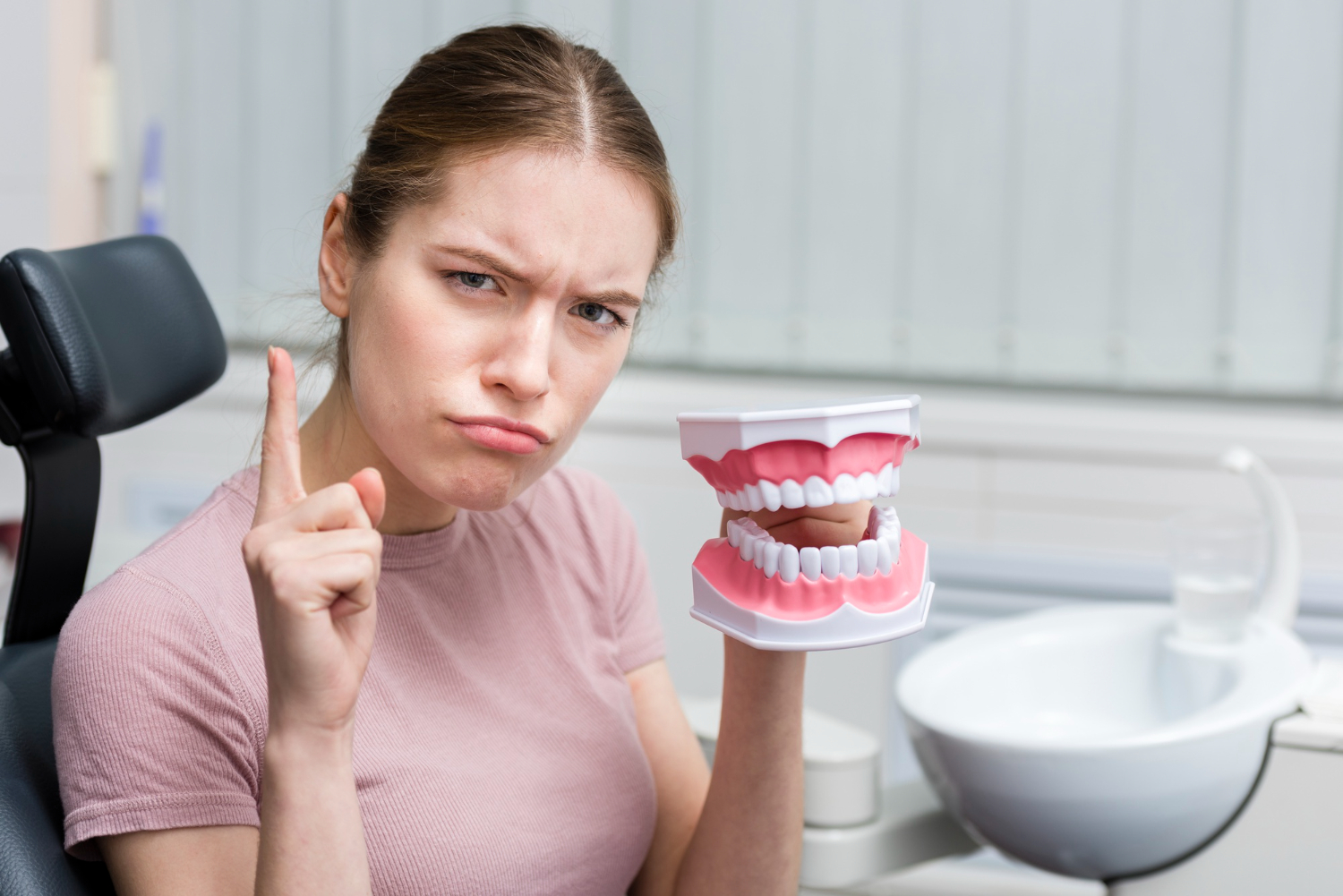
Tooth Pain Relief
Quickly stops tooth pain and infection, restoring comfort and preventing further damage.
Natural Tooth Saved
Preserves your real tooth by treating the root, avoiding permanent loss.
No Extraction Needed
Eliminates the need for pulling or replacing your natural tooth entirely.
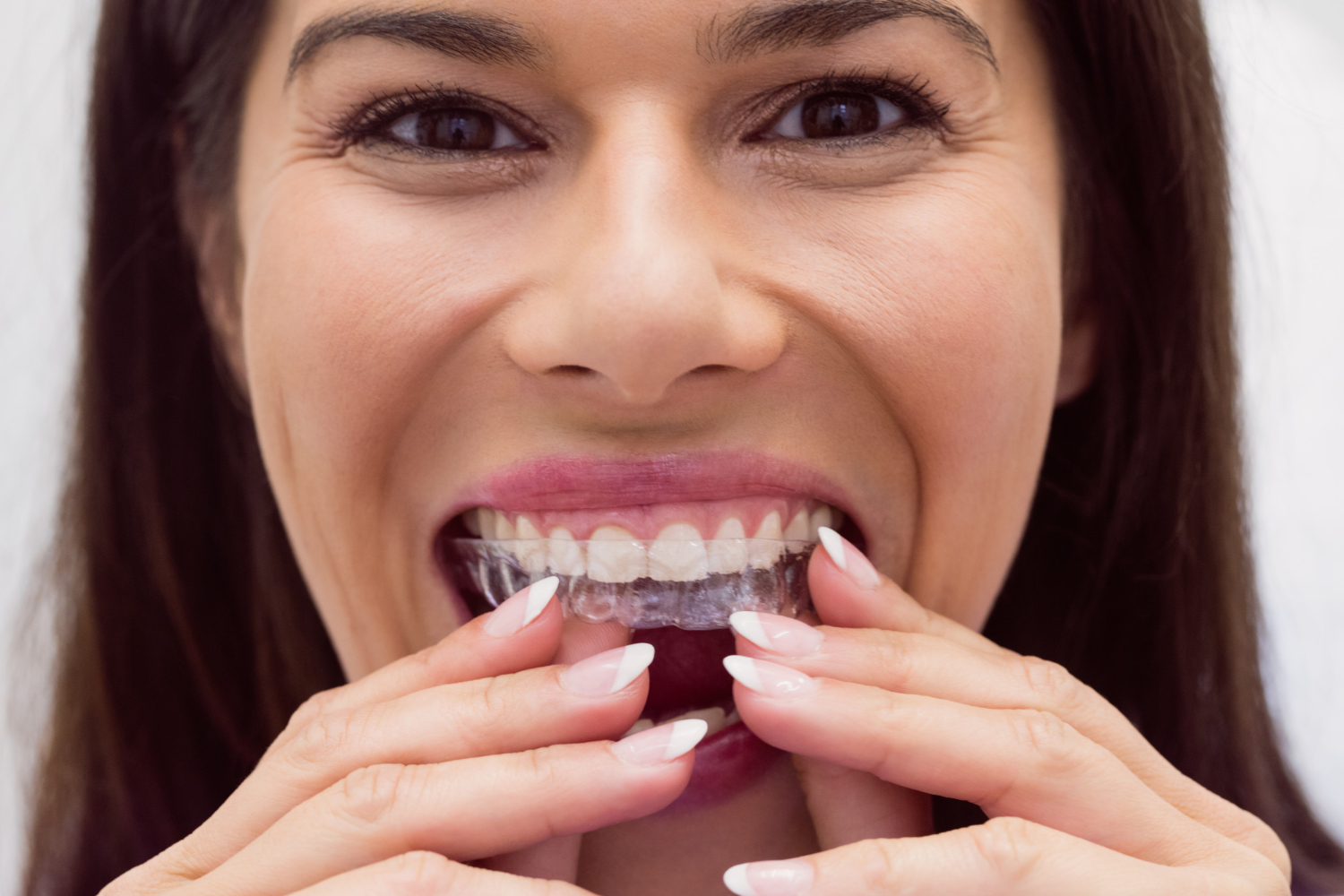


Bite Alignment Protected
Maintains natural bite and jaw structure to prevent shifting or misalignment.
Chewing Fully Restored
Allows normal chewing and speaking by repairing the damaged tooth internally.
Fast, Simple Visits
Usually completed in just one or two easy dental appointments.
WHAT TO EXPECT

Diagnosis
Some mild soreness or sensitivity is normal after the procedure and typically fades within a day or two. Most patients resume normal activities the same day. We’ll provide personalized aftercare instructions and check your healing progress during follow-up visits to ensure your recovery is smooth and long-lasting.
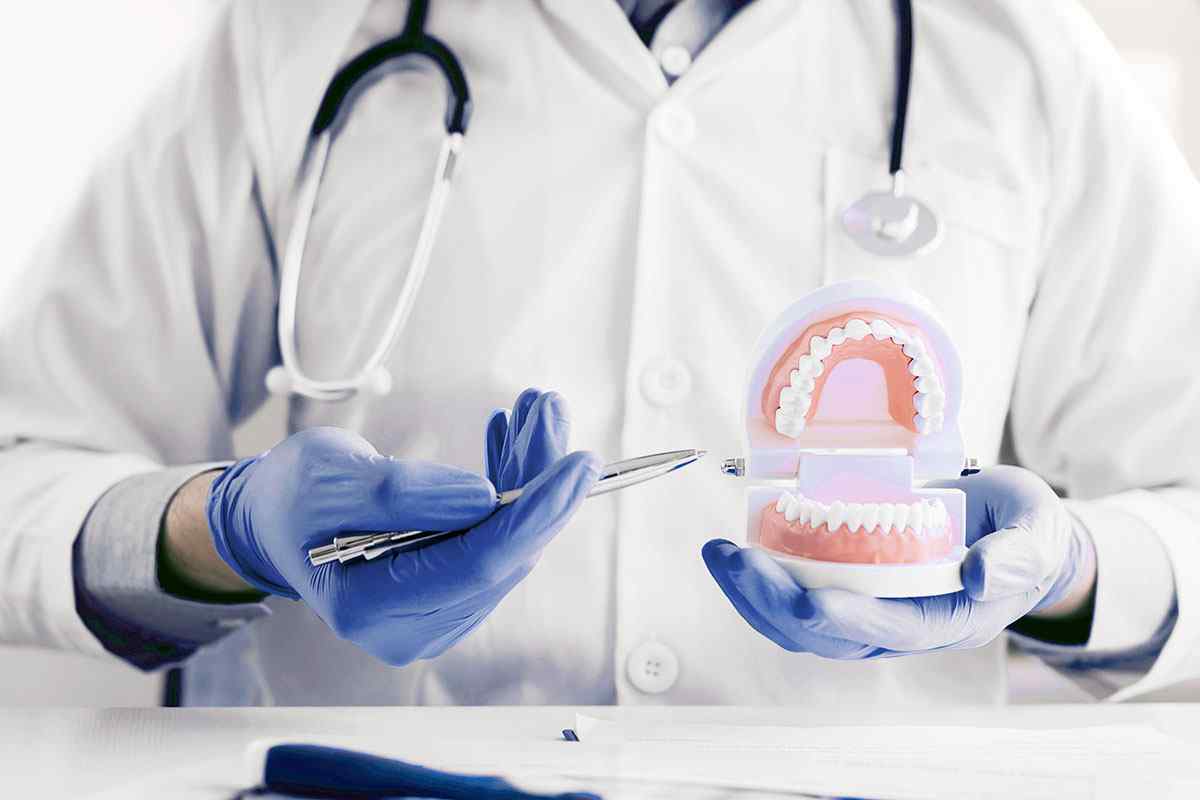
Restoration
In most cases, the treated tooth is restored with a custom dental crown to protect its structure, strength, and long-term function. We’ll carefully shape and place the crown to match your natural bite and tooth color, ensuring a comfortable fit and a seamless, natural look that blends perfectly with the rest of your smile.

Aftercare
Some mild soreness or sensitivity is normal after the procedure and typically fades within a day or two. Most patients resume normal activities the same day. We’ll provide personalized aftercare instructions and check your healing progress during follow-up visits to ensure your recovery is smooth and long-lasting.
FREQUENTLY ASKED QUESTIONS
Is a root canal painful?
No, root canal treatment is not painful. Thanks to local anesthesia and modern techniques, most patients report that the procedure feels similar to getting a routine filling. In fact, the purpose of a root canal is to relieve the severe pain caused by infection or inflammation inside the tooth—not to cause discomfort. During the procedure, we numb the area completely, and sedation options are available for anxious patients. After treatment, some mild soreness or sensitivity is normal for a day or two, but it's easily managed with over-the-counter pain relievers.
How long does a root canal take?
Most root canals can be completed in one to two appointments, depending on the complexity of the tooth and the extent of the infection. Front teeth (incisors and canines) typically have one root canal and can often be treated in a single visit lasting 60–90 minutes. Back teeth (molars) have multiple roots and may require a longer appointment or a second visit to ensure thorough cleaning and sealing. We'll give you a clear timeline during your consultation based on your specific case.
Can I go back to work after a root canal?
Yes, most patients can return to work or normal activities the same day after their root canal. While some people prefer to take it easy and rest for the remainder of the day—especially if sedation was used—the procedure itself doesn't typically require downtime. You may experience mild soreness or sensitivity for a day or two, but it shouldn't interfere with your daily routine. We recommend avoiding hard or chewy foods on the treated tooth until it's fully restored with a crown.
Do I need a crown after a root canal?
In most cases, yes—especially for back teeth (molars and premolars) that endure significant chewing pressure. After a root canal, the tooth structure is weakened because the pulp and some dentin are removed, making it more brittle and prone to fracture. A dental crown covers and protects the tooth, restoring its strength, function, and appearance. Front teeth may sometimes be restored with just a filling if the damage is minimal, but your dentist will recommend the best option based on your tooth's location and condition./p>
How long will my root canal last?
With proper care, a root canal-treated tooth can last a lifetime. The success rate for root canal therapy is over 95%, and most treated teeth remain healthy and functional for many years—often decades. The key to longevity is protecting the tooth with a crown (when recommended), maintaining excellent oral hygiene (brushing, flossing, regular cleanings), and attending routine dental checkups so we can monitor the tooth and address any issues early. Avoiding habits like chewing ice or hard objects also helps extend the life of the restoration.
Lake Magdalene Dental

About
Social Networks
Visit Lake Magdalene Dental on these social links and connect with us. Make sure to follow our accounts for regular updates.