
33321321a dental clinic for the first time can feel uncertain, especially if you do not know what will happen during your appointment. A General Dentist can provide much more than a routine cleaning, including dental examinations, preventive care, treatment for common oral health problems, and advice for maintaining healthy teeth and gums.
Understanding the process can make your visit more comfortable and help you prepare questions about your oral health. Whether you are attending a routine checkup or visiting because of tooth pain, knowing what to expect can help you feel more confident about your care.
Your appointment usually begins at the reception desk. New patients may need to complete paperwork covering their contact information, medical history, medications, allergies, dental history, and insurance information.
Once you are checked in, you will typically wait until a dental professional is ready to see you. During the initial conversation, you may be asked about any concerns, including tooth sensitivity, bleeding gums, jaw discomfort, or pain.
If you are visiting a new clinic, this is a good time to mention previous dental treatments or concerns you have experienced. Providing accurate information helps the dental team understand your needs and plan appropriate care.
A comfortable dental clinic should also give you an opportunity to ask questions. You should feel free to discuss anything that makes you nervous about your appointment or treatment.
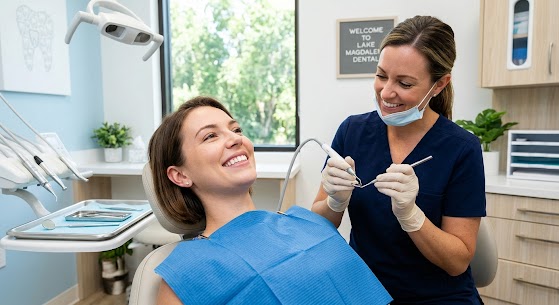
A dental examination helps identify problems that may not be visible when you look at your teeth yourself. The dentist may examine your teeth, gums, tongue, cheeks, and other areas of your mouth.
They may check for cavities, gum disease, damaged fillings, cracked teeth, worn enamel, infections, or other abnormalities. Your bite and jaw may also be evaluated, particularly if you experience jaw clicking, headaches, or discomfort when chewing.
X-rays may be recommended depending on your dental history, age, symptoms, and overall oral health. They can reveal problems beneath the visible surface, such as decay between teeth or changes around tooth roots.
A General Dentist uses the examination to understand your current oral health and identify areas that may need attention. Regular examinations can also establish a baseline that helps your dental team monitor changes over time.

Professional teeth cleaning is a common part of routine dental care. Even if you brush and floss regularly, plaque and hardened tartar can build up in areas that are difficult to clean at home.
During a cleaning, a dental hygienist removes plaque and tartar from your teeth, particularly around the gumline and between teeth. Your teeth may then be polished to remove surface stains and leave them feeling smoother.
Some patients may also receive fluoride treatment, depending on their risk of tooth decay and the recommendation of the dental team.
You may experience mild sensitivity during cleaning, particularly if your gums are sensitive or there is significant buildup. Let your hygienist know if you experience discomfort so they can make the process easier.
Regular cleanings support your daily oral hygiene routine and provide another opportunity for the dental team to notice potential problems.
Finding a dental problem does not always mean you need complicated treatment. The recommended solution depends on the type and severity of the issue.
For example, a small cavity may be treated with a filling, while a severely damaged or infected tooth may require more extensive care. Gum problems can also range from mild inflammation to more advanced periodontal disease.
Your dentist should explain what they found and why treatment may be recommended. You can ask about available options, expected results, potential discomfort, and what may happen if treatment is delayed.
A General Dentist can handle many common dental conditions. If you require specialized treatment, your dentist may recommend seeing an appropriate specialist.
You should feel comfortable asking questions before agreeing to treatment. Understanding your options allows you to make informed decisions about your dental care.
Dental clinics do more than treat existing problems. Preventive care focuses on reducing your risk of cavities, gum disease, and other oral health concerns.
Your dental team may discuss brushing, flossing, fluoride, diet, and other habits that influence your oral health. Recommendations can vary depending on your dental history and individual needs.
For example, someone who frequently develops cavities may need advice about diet or fluoride use. Patients with gum problems may benefit from changes to their brushing or flossing routine.
Your dentist can also recommend how often you should return for examinations and cleanings. Some people may need more frequent visits because of their oral health history.
Regular preventive appointments can help identify minor problems before they become more serious. Combined with good daily habits, professional dental care can help protect your natural teeth for years to come.
Dental clinics can offer a variety of services depending on the practice. Common services include examinations, professional cleanings, fillings, dental X-rays, fluoride treatments, and treatment planning.
Some practices also provide restorative treatments for damaged or weakened teeth. These may include crowns, bridges, or other procedures designed to restore function and appearance.
Cosmetic services may also be available, such as professional teeth whitening. These treatments focus primarily on improving the appearance of your smile rather than addressing a dental disease.
A General Dentist is often the first professional you should contact when you have an oral health concern. They can evaluate your condition and determine whether routine treatment or a referral is appropriate.
When choosing a clinic, ask about the services offered and whether the practice can address your specific needs.
Appointment length varies depending on the type of visit. A routine examination and cleaning may take less time than a new-patient appointment or a visit involving X-rays and treatment.
New patients may need additional time because the dental team must review their medical and dental history. Treatment appointments can also vary depending on the complexity of the procedure.
Arriving a few minutes early can help the appointment run smoothly, especially if paperwork needs to be completed. If you have limited availability, ask about the expected appointment length when scheduling.
It can also help to write down your concerns before arriving. This ensures you remember important questions and gives your dentist a clearer understanding of what you want to discuss.
Asking questions can help you better understand your oral health. You can ask what the dentist found during your examination and whether anything needs treatment.
If treatment is recommended, ask why it is necessary, what options are available, and how quickly it should be completed. You can also ask about potential discomfort, recovery, and expected results.
Preventive questions are useful as well. Ask whether your brushing and flossing techniques are effective or whether you should make changes to your daily routine.
If you are concerned about treatment costs or scheduling, discuss those concerns with the dental office beforehand. Clear communication can make the experience less stressful.
The goal is to leave your appointment understanding your dental health and knowing what steps you should take next.
After your visit, the dental team may provide instructions based on the services you received. Follow these recommendations carefully to protect your teeth and gums.
After a routine cleaning, you can generally return to your normal activities. Your gums may feel slightly sensitive, especially if significant tartar was removed.
If you received a dental procedure, you may receive specific instructions about eating, brushing, flossing, or caring for the treated area. Ask questions before leaving if anything is unclear.
Your dental office may also recommend scheduling your next examination or cleaning. Keeping regular appointments makes preventive care easier to maintain.
If you experience unexpected or worsening pain, significant swelling, or another concerning symptom after treatment, contact your dental office for guidance.
Knowing what to expect from a dental clinic can make your appointment feel easier and less stressful. From completing your medical history and receiving an examination to having your teeth cleaned and discussing treatment options, each step is designed to support your oral health. Regular visits can also help identify problems early and provide guidance for better dental habits at home.
Choosing a trusted General Dentist gives you a reliable resource for both preventive and routine dental care. If you are looking for dental services in Brandon, Lake Magdalene Dental can help you take care of your smile. To learn more about available services or schedule an appointment, contact Lake Magdalene Dental in Brandon at (813) 397-8442.
Open Monday – Saturday: 9:00 AM – 5:00 PM
Sunday: Closed
Walk-in Days:
Monday, Wednesday & Friday 9:00 AM – 5:00 PM
Tuesday, Thursday & Saturday by appointment